
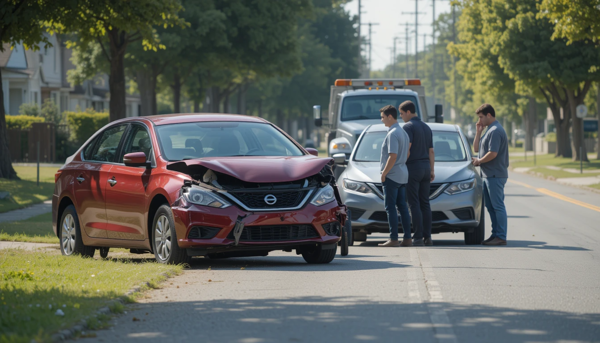
No-fault car insurance explained—learn how it works, who pays, and how to file a claim with ease. Simplified answers inside.
What Is No-Fault Car Insurance and How Does a Claim Work?
Ever wonder what would happen if you got hurt in a car accident, but it wasn’t your fault?
Wouldn’t you expect the other driver’s insurance to pay? Not so fast—if you live in a no-fault state, your own insurance might be footing the bill first, no matter who caused the crash.
Let’s dive into how no-fault car insurance actually works, why some states require it, and what happens when you file a claim.
🚗 What Does No-Fault Car Insurance Really Mean?
No-fault car insurance means that your own insurance company pays for your medical expenses and other out-of-pocket costs after a car accident—even if you didn’t cause it.
This coverage falls under Personal Injury Protection (PIP).
In short:
- Fault doesn’t matter (at first).
- You file the claim with your own insurer.
- You get paid quicker, but you can’t sue for pain and suffering right away.
🧠 The Goal Behind No-Fault Insurance
The main idea behind no-fault insurance is to:
- Reduce court cases over who caused what.
- Speed up claim payouts.
- Minimize stress for accident victims.
Instead of dragging your case through a legal battle, you get paid faster so you can heal and move on.
🌎 Which States Use No-Fault Car Insurance?
There are different types of no-fault states:
| Type of State | Examples | Mandatory PIP Coverage? |
|---|---|---|
| Full No-Fault | Florida, Michigan, New York | Yes |
| Choice No-Fault | Pennsylvania, New Jersey, D.C. | Optional |
| Add-On States | Delaware, Oregon | Required as add-on |
⚠️ Even in no-fault states, you can sometimes step outside the no-fault system if your injuries are severe enough.
🛡️ What Is Personal Injury Protection (PIP)?
PIP is the insurance that makes no-fault coverage work. It’s designed to pay for:
- Medical bills 💊
- Lost wages 💼
- Household help (like cleaning or childcare) 🧹
- Funeral costs (if someone dies) ⚰️
It doesn’t cover:
- Vehicle damage
- Pain and suffering
- Emotional distress
“PIP helps keep your life moving even when your car doesn’t.”
📜 What’s Covered by No-Fault Insurance?
Most PIP policies cover:
| Covered Expense | Example |
|---|---|
| Medical Bills | ER visits, surgery, rehab |
| Lost Income | Days off work due to injuries |
| Replacement Services | Help with chores or child care |
| Funeral Expenses | Costs related to burial services |
Note: Some states have a cap on claims.
😣 What’s Not Covered?
No-fault insurance only covers injuries, not car damage. That means:
- You’ll need collision coverage or file against the at-fault driver to fix your car.
- You can’t claim pain and suffering unless your injuries are serious under your state’s law.
📉 Limitations of No-Fault Claims
While PIP offers convenience, it’s not perfect. Here’s why:
- No pain and suffering compensation (unless you qualify to step out of the system).
- Payout limits can be low.
- Medical exams required by insurers might feel invasive.
- You must cooperate fully or risk denial.
📞 How to File a No-Fault Claim: Step-by-Step
Filing a claim is easier than in traditional systems, but it takes effort:
- Report the accident to your insurer ASAP.
- Fill out a PIP claim form (they’ll provide it).
- Submit your medical records and bills.
- Follow up with any required exams or interviews.
- Keep receipts and wage-loss documentation.
✅ Tip: Cooperate fully, or your claim might get denied.
💥 When Can You Sue the At-Fault Driver?
You can step outside the no-fault system only if your injuries meet specific thresholds:
There are two main types:
💰 Monetary Threshold
If your medical expenses exceed a certain dollar amount, you may sue.
Example: In Massachusetts, that amount is $2,000.
🧍 Serious Injury Threshold
You may also sue if you suffered:
- Bone fractures
- Significant disfigurement
- Long-term disability
- Loss of body function
These thresholds vary widely by state—know your rights.
🧾 Real-World Example: No-Fault Claim Scenario
| Scenario | PIP Will Cover? | Can Sue? |
|---|---|---|
| Fender-bender, neck strain | Yes | No |
| Hospitalized for 5 days | Yes | Maybe |
| Broken leg, 90-day disability | Yes | Yes |
This table shows that not every serious-sounding injury qualifies, but some definitely do.
🚙 What About Car Damage?
No-fault insurance doesn’t deal with car repairs. Here’s what to do:
- File through your collision coverage (if you have it).
- Or file a third-party claim with the at-fault driver’s insurer.
💡 Even in a no-fault state, property damage is a fault-based process.
🧑⚖️ What If You Don’t Cooperate With Your Insurer?
If you don’t provide medical records or refuse an exam, your claim could be denied.
Most states require you to:
- Give a recorded statement
- Attend a doctor’s exam
- Submit documentation within time limits
📌 Don’t skip these steps if you want your bills paid.
💬 Common Myths About No-Fault Insurance
Let’s clear a few things up:
- ❌ “I can’t sue at all.” → You can if you meet the threshold.
- ❌ “It covers everything.” → It doesn’t cover car repairs.
- ❌ “It only applies in accidents I cause.” → Fault doesn’t matter.
No-fault insurance just means a different process, not fewer rights.
📋 Do You Need a Lawyer?
Sometimes, yes.
Here’s when it helps:
- Your injuries are near or above the threshold.
- Your insurer denies or delays your claim.
- You’re not sure if your case qualifies for suing the other driver.
A free consultation never hurts.
🧠 Pros and Cons of No-Fault Insurance
| Pros | Cons |
|---|---|
| Faster claim payouts | No pain/suffering compensation |
| No need to prove fault | Medical exams may feel intrusive |
| Simplified process | Limited payout amounts |
| May lower legal costs | Can’t always sue the other driver |
🧭 Final Thoughts: Is No-Fault Insurance Good or Bad?
No-fault insurance helps you get back on your feet quickly after an accident. It may seem limited, but the speed, simplicity, and reduced legal drama make it good for many.
If you live in a no-fault state, knowing your rights—and your limits—can help you avoid surprises after a crash 🚦.
❓ FAQs
How does no-fault car insurance work in Florida?
In Florida, you must file injury claims through your PIP coverage first, no matter who’s at fault.
Can I sue after a car accident in a no-fault state?
Yes, but only if your injuries meet your state’s monetary or serious injury thresholds.
Does no-fault insurance cover car repairs?
No, it only covers medical-related expenses. Car repairs go through collision or the at-fault driver.
Is personal injury protection required in all states?
No, it’s mandatory in about a dozen states. Others offer it as optional coverage.
What happens if I don’t cooperate with my insurer?
Your no-fault claim could be denied if you skip exams or don’t submit required documents.
🔗 Reference
https://www.nolo.com/legal-encyclopedia/no-fault-car-insurance-claim.html
https://www.nerdwallet.com/article/insurance/no-fault-insurance
https://www.policygenius.com/auto-insurance/no-fault-insurance/


