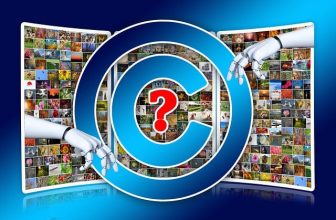
Copyright and memes often overlap. Discover when fair use applies, how to use memes legally, and avoid copyright pitfalls. Explore the complexities of copyright and fair use in relation to memes. Understand when fair use applies, how copyright laws impact meme creators, and the balance between creativity and legal boundaries.
Copyright and Memes:
What is Copyright?
Copyright protects creators of original works like books, music, and movies. It lets creators control how their work is used and sold. This protection starts when a work is written down or recorded.
What Are Memes?
Memes are funny or satirical pieces of internet culture. They spread fast online, often as images or videos. Memes use old media in new ways to entertain and comment.
Importance of Understanding Copyright and Fair Use for Memes
Memes are big in internet culture but can face legal issues. Knowing copyright and fair use rules is key for creators and users. It helps balance creativity with legal limits.
Types and Categories of Copyrighted Works
Literary Works
Literary works include books and articles. Copyright stops others from copying or sharing these without permission. Memes sometimes use text from books, raising fair use questions.
Musical Works
Musical works are songs and compositions. Memes might use music clips, which could be copyright infringement. It’s important to know how music in memes is treated under law.
Visual Art
Visual art includes paintings and photos. Memes often use or modify these images, which could infringe on the artist’s copyright. Finding a balance between creativity and copyright is vital.
Audiovisual Works
Audiovisual works are films and TV shows. Memes often use clips from these, raising copyright questions. It’s important to know how much can be used without breaking copyright.
Fair Use Doctrine
Definition of Fair Use
Fair use lets people use copyrighted material without permission. It balances the creator’s rights with the public’s need to use creative works. It’s used for criticism, education, and research.
Factors Determining Fair Use
Fair use is based on several factors:
- Purpose and Character of Use: Uses for education or criticism are more likely to be fair use. It means adding new meaning or expression.
- Nature of the Copyrighted Work: Using factual content is more likely fair use than creative works.
- Amount and Substantiality: Using small parts of a work is more likely fair use. It depends on whether the core of the work is used.
- Effect on the Market: If the use harms the work’s market value, it’s not fair use.
How Fair Use Applies to Memes
Memes can be fair use if they add humor or commentary. But, they must meet the four fair use factors to qualify.
Copyright Issues with Memes
Common Copyright Infringements in Memes
- Using Protected Images: Memes with copyrighted images without permission can break the law.
- Incorporating Music: Memes with copyrighted songs or scores can lead to legal trouble.
- Repurposing Videos: Memes using video content from movies or TV shows can infringe on copyrights.
Consequences of Copyright Infringement
Breaking copyright laws can lead to serious consequences. This includes getting letters to stop, fines, and removing content. Creators might also lose their reputations and face legal costs.
Legal Cases Involving Memes
Notable Lawsuits
- “Disaster Girl” Meme Case: A meme of a girl smiling in front of a burning building was at the center of a lawsuit. It was about the rights to the image and its use.
- Pepe the Frog Lawsuit: The Pepe the Frog creator sued people who used the meme in bad ways. This shows the challenges of copyright in meme culture.
Outcomes and Precedents
Court decisions have set important rules for memes and copyright law. These decisions often look at if the meme changed the original work and its market value.
How to Avoid Copyright Issues with Memes
Creating Original Memes
- Use Public Domain Content: Use content that is free from copyright, like public domain works or open licenses.
- Obtain Permissions: Always get permission from the copyright holder or use licensed content.
- Create Your Own Content: Make your own images, text, and music to avoid copyright problems.
Utilizing Fair Use Wisely
- Add Transformative Elements: Make sure your memes add something new and meaningful to the original content.
- Limit the Amount Used: Only use what you need from the original work to get your point across.
- Consider the Market Impact: Think about how your meme might affect the original work’s value.
The Role of Meme Platforms and Social Media
Platform Policies on Copyright
- YouTube’s Content ID: YouTube uses Content ID to find and handle copyrighted content in videos. This can affect meme creators who use copyrighted media.
- Instagram and Facebook: These platforms have ways to report and deal with copyright issues. This can impact how memes are shared.
How Social Media Influences Copyright Enforcement
Social media platforms are key in sharing memes. The fast sharing and remixing of content can make copyright enforcement hard. This highlights the need for clear rules on fair use.
Copyright and Memes FAQs
Are Memes Protected by Copyright?
Yes, memes can be protected by copyright! Surprised? Let’s break it down.
Memes are often made from copyrighted stuff like movie scenes or photos. This means the original content of a meme is owned by someone else. If the meme creator uses it without permission, it could technically infringe copyright.
But here’s the fun part: memes often fall under “fair use” in many countries. Fair use is like the “chill zone” of copyright law. It allows people to use copyrighted material for transformative purposes like parody, commentary, or humor. But, it’s a grey area—so don’t count on it!
Here’s a quick rundown:
- Protected? Yep, the original work likely is.
- Safe to share? Usually, but watch out for commercial use!
Think of it like borrowing your friend’s car. Fine for a short trip but problematic if you start a taxi business!
How to Use Memes Without Copyright?
Want to stay out of trouble while enjoying memes? You’re in luck! Here’s how:
- Make your own! Use royalty-free images or take your own photos.
- Use public domain content. No copyright, no worries!
- Stick to fair use. Add creative spins like captions or edits to make memes transformative.
- Credit original creators. It’s polite and often reduces legal risks.
Remember, memes are like seasoning in a recipe—add your unique flavor, and you’re golden!
Is Making Memes Illegal?
No, making memes isn’t illegal—phew! Memes are like modern-day jokes; they’re mostly harmless and protected under free speech.
But, it’s a different story if your meme offends someone or violates copyright laws. courts consider parody and satire as fair use, but if your meme crosses the line into defamation or hate speech, you could be in legal hot water.
So, the golden rule? Stay witty, not nasty.
Who Owns the Memes?
Who owns a meme? Well, it’s complicated! Let’s break it down:
- The original creator owns the copyright of the image, video, or text.
- The meme creator may own the new, creative spin they added (like captions or edits).
So, it’s like baking a cake with someone else’s recipe. You created something new, but the base idea belongs to someone else.
Can Memes Be Used for Commercial Use?
Using memes for commercial purposes is tricky! Why? Because it often steps outside fair use.
If you’re monetizing memes through ads, merchandise, or promotions, you might need permission from the original creator. Big companies often face lawsuits for using memes commercially without clearance.
Think of it like borrowing your neighbor’s dog for a walk—fine for fun, not okay to charge for dog-walking services!
Who Controls the Memes?
Honestly, no one really controls memes! Memes belong to the internet’s wild west. Once you post one, it spreads like wildfire, and the internet hive mind takes over.
But, legally speaking:
- Original content owners control the base material.
- Meme creators control their edits, as long as it’s original enough.
So, memes are like pigeons—once they’re out, good luck controlling where they go!
Conclusion
Understanding copyright and fair use with memes is complex. Memes often use existing content in new ways. Fair use gives some freedom, but creators should know the legal side to avoid problems.
For those making and sharing memes, knowing copyright laws and fair use is key. By understanding these, you can make and share memes safely while respecting creators’ rights.