
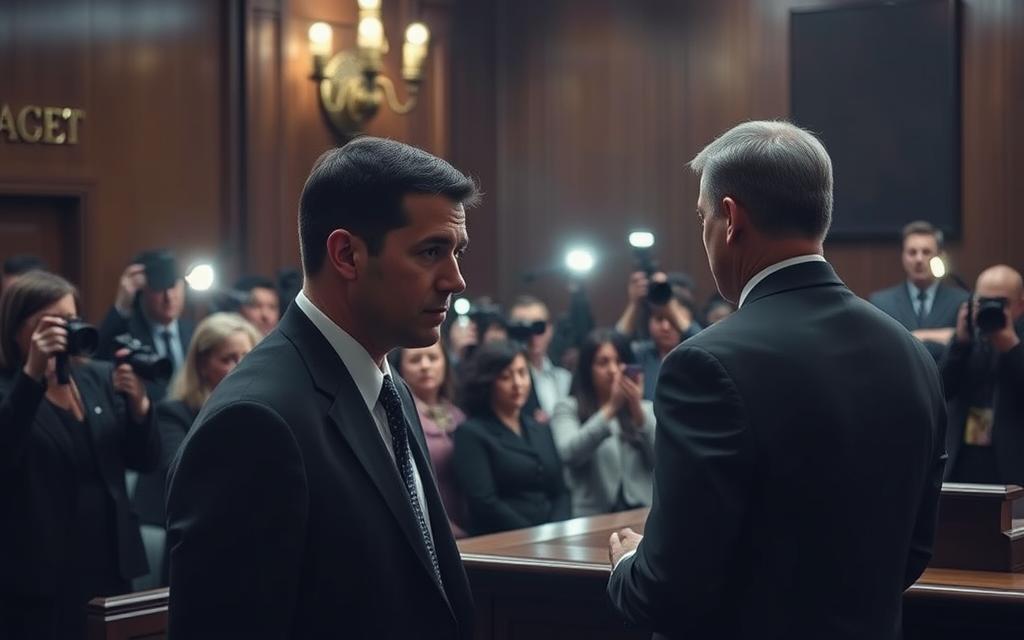
Criminal drug defense attorney services explained with clear, expert guidance to help you understand charges, rights, and defense options.
A criminal drug defense attorney helps protect your rights, explains your legal options, and builds a defense strategy when you’re facing drug-related charges. They guide you through the legal process and work to achieve the best possible outcome.
Criminal Drug Defense Attorney: Your Complete Guide To Beating Drug Charges ⚖️
Have you ever wondered what actually happens when someone is charged with a drug crime—and how a lawyer can change everything? Drug charges can feel terrifying, confusing, and overwhelming. But the right criminal drug defense attorney can protect your rights and help you navigate what comes next.
A criminal drug defense attorney represents people charged with drug-related offenses. Their job is to analyze the case, challenge evidence, negotiate with prosecutors, and fight for the best possible result. Whether it’s a misdemeanor possession case or a serious felony trafficking charge, a skilled lawyer makes all the difference.
Understanding The Role Of A Criminal Drug Defense Attorney 🚨
A criminal drug defense attorney focuses on cases involving substances like marijuana, cocaine, heroin, fentanyl, methamphetamine, and prescription medications. Their primary goal is to defend you against state or federal drug charges.
They review the police reports, search procedures, and evidence handling to look for errors. They also evaluate whether your constitutional rights were violated at any point during the arrest.
You can expect them to guide you through each step, explain possible outcomes, and help you make informed decisions. Many people don’t realize how much a lawyer can do behind the scenes 🧠.
Why Drug Charges Require A Skilled Attorney
Drug laws can be complicated. They differ from state to state and often carry harsh penalties. A simple mistake—like talking too much to police—can make things worse.
A skilled attorney understands how prosecutors build cases and how to push back. They know the rules surrounding search warrants, traffic stops, drug testing, and evidence storage.
Without the right defense strategy, you might face:
- Heavy fines
- Jail or prison time
- A criminal record
- Loss of employment
- Loss of professional licenses
A lawyer helps reduce or avoid these outcomes whenever possible.
Types Of Drug Crimes A Lawyer Handles 🧪
Drug charges come in many forms. A criminal drug defense attorney handles cases involving:
- Possession (misdemeanor or felony)
- Possession with intent to distribute
- Drug manufacturing or cultivation
- Drug trafficking
- Prescription fraud
- Drug paraphernalia violations
Each charge carries unique penalties. The attorney’s approach depends on the facts of your case and your criminal history.
Common Drug Crime Penalties (Example Comparison)
| Drug Charge Type | Typical Classification | Possible Consequences |
| Simple Possession | Misdemeanor | Fines, probation, short jail time |
| Possession w/ Intent | Felony | Long jail terms, higher fines |
| Trafficking | Serious Felony | Mandatory prison sentences |
| Paraphernalia | Misdemeanor | Fines, probation |
What To Expect After A Drug Arrest 🚓
The moments after a drug arrest can be chaotic. You may feel pressured to explain yourself or agree to questioning. But anything you say can be used against you.
Most attorneys encourage you to remain calm, avoid answering questions, and wait for legal help. Once hired, your lawyer reviews everything that happens from arrest to booking.
They look for issues like:
- Improper search methods
- Illegal traffic stops
- Misidentified substances
- Mishandled evidence
- Coerced statements
These problems can lead to charges being reduced—or even dismissed.
How Lawyers Challenge Drug Evidence
Evidence is everything in drug cases. If the evidence is weak or collected improperly, the entire case falls apart. Your attorney knows how to question the accuracy and legality of drug-related evidence.
Sometimes officers don’t follow proper protocols. Other times, the substance tested isn’t even a controlled drug.
An attorney evaluates:
- How the drugs were found
- Whether a warrant was issued
- Whether lab tests are reliable
- Whether your rights were respected
These details can shift the case completely.
Types Of Evidence Often Reviewed In Drug Cases
| Evidence Type | What Lawyers Look For | Potential Problems |
| Police search records | Warrant validity | Unlawful search |
| Drug lab results | Testing process | Contamination or errors |
| Officer testimony | Consistency | Contradictions |
| Surveillance footage | Context | Missing video |
Negotiating With Prosecutors 🤝
Many drug cases never go to trial. Instead, they resolve through negotiations. Attorneys often communicate with prosecutors to negotiate plea deals or reduced charges.
This can lead to:
- Dismissed charges
- Reduced penalties
- Diversion programs
- Treatment options instead of jail
A strong negotiator can save you from years behind bars.
Diversion Programs And Alternative Sentencing Options
Some states offer diversion programs for first-time offenders. These programs focus on rehabilitation rather than punishment.
Depending on your situation, your lawyer may recommend:
- Drug counseling
- Treatment programs
- Community service
- Educational classes
Completing a diversion program may erase the charge from your record.
When A Drug Case Goes To Trial ⚖️
Not all cases can be resolved through negotiation. If prosecutors push for severe penalties or evidence is weak, your attorney may recommend going to trial.
During trial, your lawyer:
- Questions police conduct
- Challenges prosecution witnesses
- Presents expert testimony
- Highlights inconsistencies
- Makes compelling arguments to the jury
Trials can be stressful, but a strong defense increases the chances of a positive outcome.
Federal Drug Charges: What Makes Them Different 🇺🇸
Federal drug cases are more serious than state cases. Federal agencies like the DEA or FBI may become involved, and penalties are usually stricter.
Federal charges often involve:
- Large drug quantities
- Multistate trafficking
- Organized crime
- Conspiracy charges
A criminal drug defense attorney must understand federal sentencing guidelines and procedures to handle these cases effectively.
How To Choose The Right Criminal Drug Defense Attorney 🔍
Choosing an attorney is one of the most important decisions you’ll make. Not all lawyers have experience with drug cases, so it’s important to look for specific qualities.
Here are some things to consider:
- Years of experience with drug cases
- Knowledge of local courts
- Strong negotiation skills
- Positive client reviews
- Clear communication style
Trust your instincts—your lawyer should make you feel confident and supported.
Key Qualities To Look For In A Defense Attorney
| Quality | Why It Matters |
| Experience | Drug laws are complex |
| Communication | You need clear guidance |
| Courtroom skills | Essential for trials |
| Negotiation ability | Helps reduce charges |
Questions To Ask Before Hiring A Lawyer 🤔
When meeting with a lawyer, ask questions like:
- “Have you handled cases like mine before?”
- “What are the possible outcomes?”
- “What defense strategies might apply?”
- “How often do your cases go to trial?”
- “What are your fees and payment options?”
These questions help you understand their experience and approach.
Understanding Your Constitutional Rights
A big part of drug defense is making sure your rights are protected. Law enforcement must follow strict rules when searching or arresting you.
Key rights include:
- The right to remain silent
- The right to an attorney
- The right to refuse consent to a search
- Protection from unlawful search and seizure
Your attorney reviews whether these rights were violated.
How A Lawyer Helps Protect Your Future 🌟
Drug charges can impact every area of your life. A conviction may affect employment, housing, custody rights, and school opportunities.
A criminal drug defense attorney helps you:
- Avoid harsh penalties
- Reduce long-term consequences
- Protect your reputation
- Move forward with your life
A good defense strategy focuses on more than just the courtroom—it looks at your future.
Conclusion
Facing drug charges is scary, but you don’t have to face them alone. A criminal drug defense attorney guides you through the legal system, protects your rights, and fights for the best outcome possible. With the right lawyer, you can move forward with confidence and rebuild your life.
FAQs
What does a drug defense lawyer do for clients?
A drug defense lawyer reviews your charges, examines evidence, and builds a defense strategy. They work to protect your rights and negotiate with prosecutors. Their goal is to reduce or dismiss the charges whenever possible.
How can a lawyer help with first-time drug charges?
A lawyer explains your options and may help you enter diversion programs. They can often negotiate for reduced penalties. Their guidance helps prevent long-term consequences.
Can a drug possession charge be dismissed?
Sometimes, yes. Dismissals happen when evidence is weak, rights are violated, or lab tests are unreliable. An attorney identifies these opportunities.
Do I need a lawyer for a misdemeanor drug charge?
Yes. Even minor charges affect your record and future. A lawyer helps you avoid unnecessary penalties and protects your rights.
What happens at your first meeting with a drug attorney?
You discuss your charges, what happened, and possible outcomes. The lawyer explains the legal process and what to expect. It’s a chance to ask questions and understand your options.