

Can I refuse a breathalyzer test? Learn the legal implications, penalties, and how refusing a breathalyzer affects your DUI case. Get expert insights and tips.
Can I Refuse a Breathalyzer Test in a DUI Case
Have you ever been pulled over for a DUI, only to wonder: “Can I refuse a breathalyzer test?” It’s a question many drivers face when they find themselves in a DUI situation. The answer isn’t always clear. The decision can have serious consequences, both on the spot and in court. Let’s explore what happens when you refuse a breathalyzer test, the penalties, and how it affects your DUI case.
Key Takeaways
- Refusing a breathalyzer test can result in severe penalties, including license suspension and criminal charges.
- Implied consent laws require drivers to submit to chemical testing if arrested for DUI.
- Refusal may strengthen the prosecution’s case against you in court.
- Legal defenses for refusal include improper procedures or medical issues.
- Understanding your rights during a DUI stop is key.
Understanding DUI and Breathalyzer Tests
DUI (Driving Under the Influence) is a criminal offense. It happens when a driver operates a vehicle while impaired by alcohol or drugs. Police use breathalyzer tests to check if a driver is over the legal limit.
Why Breathalyzer Tests Matter:
Breathalyzer tests are key in DUI arrests. They give immediate evidence of a driver’s impairment. A result of 0.08% BAC or higher is illegal and can lead to arrest.
The Legal Implications of Refusing a Breathalyzer Test
When pulled over for DUI, you must take a breathalyzer test. But refusing it can have big legal consequences. Most states have implied consent laws. These laws mean you agree to take tests if suspected of DUI by driving.
What Happens If You Refuse?
Refusing the test can lead to many penalties, including:
- License Suspension: In many states, refusing a breathalyzer can lead to an automatic license suspension.
- Criminal Charges: Some states impose additional criminal penalties for refusal, depending on whether it is your first offense or a repeat occurrence.
- Increased Consequences in Court: While refusal may prevent immediate evidence of intoxication, prosecutors can argue that the refusal itself implies guilt.
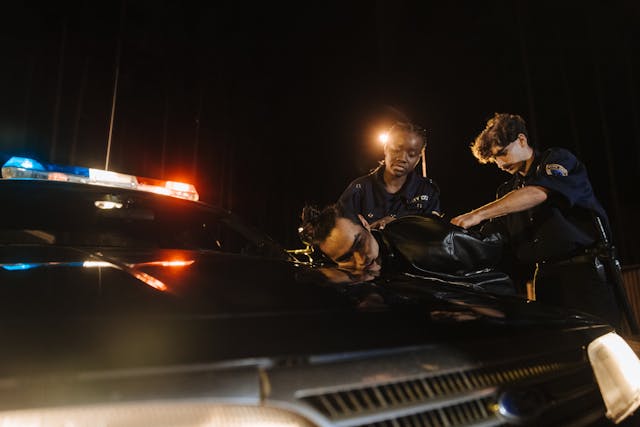
Implied Consent Laws Explained
What Is Implied Consent?
Implied consent laws ensure drivers comply with sobriety testing. By getting a driver’s license and driving, you agree to take a chemical test (like a breathalyzer) when arrested for DUI.
Why These Laws Exist:
These laws aim to reduce impaired driving and increase safety. They also make DUI cases easier to handle, ensuring evidence is gathered efficiently.
Can You Legally Refuse a Breathalyzer Test?
Whether you can legally refuse a breathalyzer test depends on your state. Implied consent laws are common, but the specifics of enforcement and penalties vary.
State-Specific Rules:
- In states like California, refusal may result in both administrative penalties (like a license suspension) and criminal charges.
- Some states, such as Florida, impose harsher penalties for refusal if the driver has prior DUI convictions.
Penalties for Refusing a Breathalyzer Test
The penalties for refusing a breathalyzer test can be severe. These penalties include:
What Happens If You Refuse a Breathalyzer Test?
Refusing a breathalyzer test can lead to serious consequences. You might face:
- License Suspension: Your driver’s license could be suspended for months to years, based on your state and past offenses.
- Fines: You could be fined heavily for not taking the test.
- Criminal Charges: Refusing the test might lead to criminal charges, like obstruction of justice.
How Refusing a Breathalyzer Affects Your DUI Case
Refusing a breathalyzer doesn’t help your DUI case. In fact, it can make things worse. Prosecutors might see it as proof you were trying to hide your impairment.
The Strength of the Prosecution’s Case:
When you refuse, the prosecution can argue you knew you were drunk and tried to hide it. This makes winning your case harder.
Alternatives to Breathalyzer Tests
Law enforcement has other tests too:
- Field Sobriety Tests: These tests check your physical coordination and suggest if you’re impaired.
- Blood Tests: Officers might ask for a blood test to accurately measure alcohol and drug levels.
- Urine Tests: Urine tests can detect substances a breathalyzer can’t, used in specific cases.
When Can You Refuse a Breathalyzer Test?
There are times when refusing is legal:
- Underage Drivers: Minors face stricter DUI laws and refusal penalties.
- Medical Conditions: Some medical issues might make it unsafe to take a breathalyzer test.
The Role of the Officer in Breathalyzer Refusal
Officers must follow the law when asking for a breathalyzer test. If they don’t, you might have a defense against the charges.
Legal Defenses in DUI Cases Involving Breathalyzer Refusal
If you refused the test, you might have defenses:
- Improper Procedure: If the officer didn’t follow the rules, you might challenge the refusal penalty.
- Medical Issues: Certain health conditions might prevent you from taking the test.
- Lack of Consent: If the officer didn’t have the right to stop or arrest you, you might have a case to dismiss the charges.
What to Do If You Are Asked to Take a Breathalyzer Test
Knowing your rights during a DUI stop is key. If asked for a breathalyzer test, stay calm and ask if you must take it.
What Happens After a Breathalyzer Refusal?
After refusing, you’ll face legal steps like hearings and possible criminal charges. Your lawyer can help you through this to lessen the impact.
Can Refusing a Breathalyzer Lead to a DUI Conviction?
Refusing a breathalyzer doesn’t mean you’ll definitely be convicted of DUI. But, it makes proving your innocence harder. Prosecutors might use your refusal as evidence of guilt.
Can You Fight DUI Charges If You Refused the Breathalyzer?
Even with a refusal, a skilled DUI lawyer can find ways to challenge the evidence. They might help reduce the charges against you.
Good Reasons to Refuse a Breathalyzer Test
Refusing a breathalyzer test might not always be the best choice. Yet, there are times when it could be a good idea. Here are a few good reasons someone might say no:
- You’re not intoxicated: If you think you’re sober and the test might show you’re not, refusing could help avoid a false positive.
- Health concerns: Certain health issues, like asthma or respiratory problems, might affect the test’s accuracy. Refusing could prevent a result that might hurt your case.
- Questioning accuracy: Breathalyzer tests can sometimes be wrong. They might not work right for people with medical conditions or if you’ve eaten certain foods. If you doubt the test’s accuracy, refusing might be a choice.
- Strategic reasons: Refusing the test could slow things down and give you time to talk to a lawyer. Some people might refuse hoping the officers won’t have enough evidence for a DUI charge.
But remember, refusing a breathalyzer test always has consequences. You could face license suspension, fines, or even harsher penalties. Always think about the long-term effects before deciding.
Can You Refuse a Breathalyzer and Request a Blood Test?
Yes, you can refuse a breathalyzer test and ask for a blood test in many places. But, this request isn’t always accepted. It’s key to know how it works:
- Your Right to Request a Blood Test: In some areas, you can ask for a blood test instead of a breath test. Blood tests are often seen as more accurate, so you might prefer them if you’re worried about the breath test’s reliability.
- The Police Have the Final Say: Even though you can ask for a blood test, the police might not agree. If they don’t want to wait, they might force a breath test or say blood tests are too invasive and take too long.
- Timing Is Crucial: Remember, a blood test takes longer to get results. If time is important, refusing a breathalyzer and waiting for a blood test could delay your case.
- State-Specific Rules: The rules about refusing breathalyzers and asking for blood tests vary by state. Some states might make it harder to get a blood test unless you’re at a certain point in the process (like after being arrested).
So, while you can ask for a blood test, whether it happens depends on many things. The law, the officer’s decision, and local laws all play a part. It’s always wise to talk to a lawyer if you’re in this situation to make the best choice.
FAQs
Can I Refuse to Take a Breathalyzer Test?
Can you say no to a breathalyzer test? Yes, but it’s not that simple. Implied consent laws in most states mean you agree to take a test by driving.
Refusing can lead to license suspension or fines. Some states have longer suspensions for refusing than for DUI convictions. Remember, refusing doesn’t clear you of wrongdoing. It might make things worse because the prosecution could say you knew you were over the limit.
Think of refusing the test like dodging a tough question in court. It doesn’t make you innocent, but it might give the judge something to think about.
Can You Refuse a Breathalyzer if Not Driving?
What if you’re not driving but in control of a vehicle? The police can ask you to take a breathalyzer test. Legally, if you’re behind the wheel, even if parked, you might have to take the test.
But, if you’re just a passenger with no control, the laws get tricky. In many places, law enforcement can’t force you to take a breathalyzer unless they have another reason. So, it depends on where you are and the situation. If you’re not driving, your rights might change.
Can You Refuse a Breathalyzer and Request a Blood Test?
Can you say no to a breathalyzer and ask for a blood test instead? In some states, yes! You have the right to ask for a blood test, but the police have to agree. They might ignore your request if it’s inconvenient or takes too long.
Blood tests are more accurate, but they have their own issues. They require waiting for lab results. So, while you might prefer a blood test, it might not be as fast or convenient as a breathalyzer.

Can You Refuse a Breathalyzer Test in Washington State?
In Washington State, you can refuse a breathalyzer test, but there are consequences. Washington has implied consent laws, meaning you agree to take a test by driving. Refusing leads to a one-year license suspension and fines.
Washington is unique because it has a zero-tolerance policy for refusing the test. It doesn’t matter if you’re under the influence or not. The refusal alone leads to penalties. So, think carefully before saying no to the breathalyzer.
What Happens if You Refuse a Breathalyzer Test in Michigan?
Refusing a breathalyzer test in Michigan can lead to big problems. Michigan’s implied consent law means you could lose your license for up to a year. You might also face criminal penalties if you’re found guilty of DUI.
In Michigan, refusing a breath test is a big mistake. The law doesn’t give you much room for error. Prosecutors will use your refusal as evidence against you. This could make it harder to avoid DUI penalties.
Can You Refuse a Breathalyzer Test in California?
In California, you can refuse a breathalyzer test, but it has immediate consequences. By driving in California, you agree to take a test. If you refuse, your license will likely be suspended for at least a year.
Remember, refusing the test and getting convicted of DUI can make things worse. The refusal can be used against you in court, making your defense weaker.
Refusing Breathalyzer in NY
Refusing a breathalyzer test in New York (NY) has serious consequences. New York’s implied consent laws mean you agree to take a test when asked. Refusing can lead to a one-year license suspension and a fine.
But, refusing the test doesn’t stop a DUI charge. Police can charge you with other evidence, like field sobriety tests. The refusal can actually help them build their case against you.
Can I Refuse a Breathalyzer Test in Florida?
In Florida, refusing a breathalyzer test has big consequences. Florida’s implied consent laws mean you agree to take a breath test when driving. Refusing can lead to a 12-month license suspension, with a second refusal causing an 18-month suspension.
Also, refusing a breathalyzer can make your DUI case harder to fight. In Florida, a refusal is often seen as evidence of guilt, and the prosecution can use it against you in court.
Can I Refuse a Breathalyzer Test in Texas?
In Texas, you can refuse to take a breathalyzer test. But, refusing comes with consequences. Texas law enforces implied consent, so driving means you agree to a breath test. If you refuse, your license can be suspended for up to 180 days, and you may face fines.
But remember, refusing the test doesn’t mean you can’t be charged with DUI or DWI. Police can use other evidence, like your driving behavior or field sobriety tests, against you.
Can I Refuse a Breathalyzer Test at Work?
If you’re asked to take a breathalyzer at work, it depends on your employer’s policy and local laws. Some companies have strict drug and alcohol policies that require tests. Refusing could lead to disciplinary action, like termination.
If you’re asked for a breath test (like after an accident), refusing might not be a good idea. It could raise suspicion and cause problems at work. Always check your workplace policies!
Can I Refuse a Breathalyzer Test in Ohio?
In Ohio, refusing a breathalyzer test can lead to serious penalties. Ohio’s implied consent law means refusing could result in a one-year license suspension and an OVI charge.
Refusal doesn’t prevent a conviction. Prosecutors can use other evidence against you. So, refusing might make things worse.
Can I Refuse a Breathalyzer Test if Not Driving?
In some states, refusing a breathalyzer might be possible if you’re not driving. But it’s a tricky situation. If you’re a passenger, you might not have to take a test. Yet, if you’re under suspicion of being intoxicated, the officer might ask for a test.
Is It Legal to Refuse a Breathalyzer Test?
Is it legal to refuse a breathalyzer test? Yes, it’s legal to refuse, but there are consequences. Refusing a breathalyzer test can lead to penalties like a license suspension, fines, or harsher penalties if convicted of DUI. Legally, you have the right to refuse, but the consequences can be severe. So, it’s wise to know your rights and think carefully before refusing.
Can I refuse a breathalyzer test without facing consequences?
No, refusing can lead to penalties like losing your license.
Does refusing a breathalyzer test make it harder to be convicted of DUI?
Not really. It might even make the case against you stronger.
What happens if I am unable to take the breathalyzer due to a medical condition?
You might be able to fight the refusal because of your health.
Can I refuse a breathalyzer test if I’m under 21?
No, if you’re under 21, refusing can lead to harsher penalties.
Should I take a breathalyzer test if I’m arrested for DUI?
It’s usually best to take the test. But talking to a lawyer can help you decide.
Conclusion
Refusing a breathalyzer test is a big decision with serious consequences. It’s important to understand the penalties and how it affects your DUI case. Always think carefully and consider getting legal advice to deal with DUI laws.